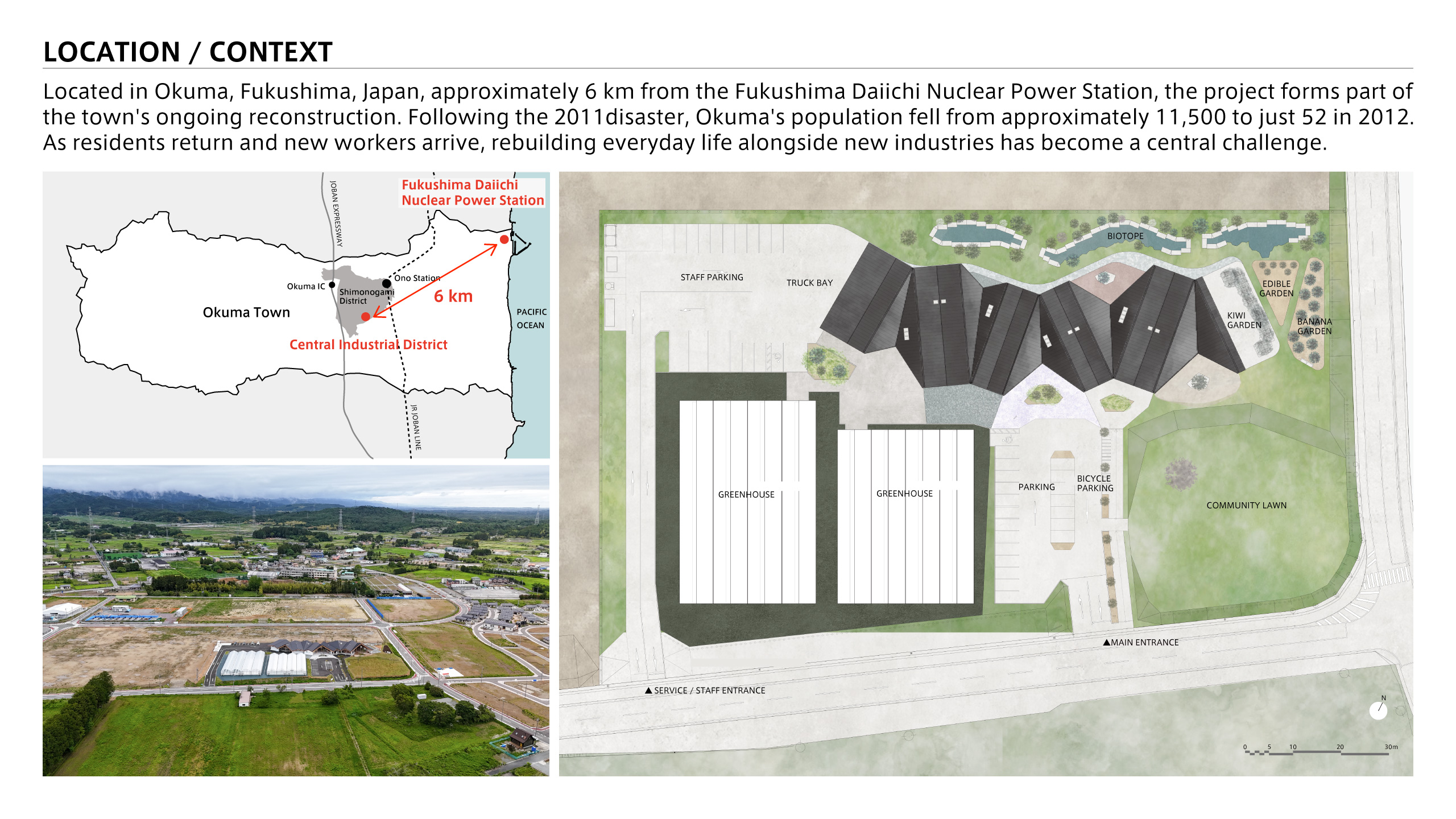
FUN EAT MAKERS in Okuma is a mixed-use food production and commercial facility in Okuma, Fukushima, located approximately 6 km from the Fukushima Daiichi Nuclear Power Plant. Following the 2011 nuclear disaster, residents were forced to evacuate, and the town’s population fell from approximately 11,500 before the disaster to just 52 in 2012, disrupting both industry and everyday life. As reconstruction progresses and people gradually return, the project asks how architecture can help rebuild not only industry, but also the everyday activities and relationships that make a town.
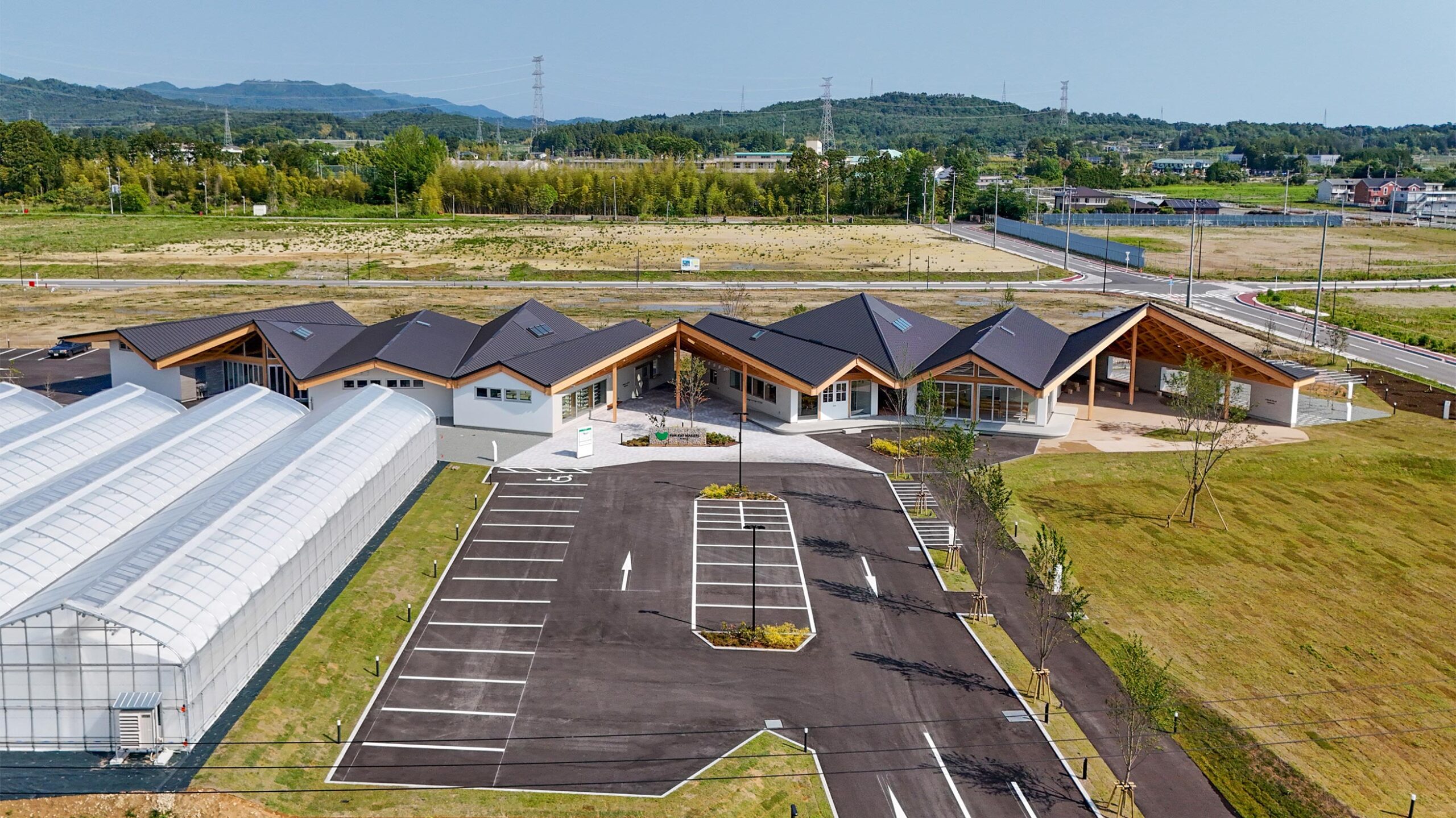
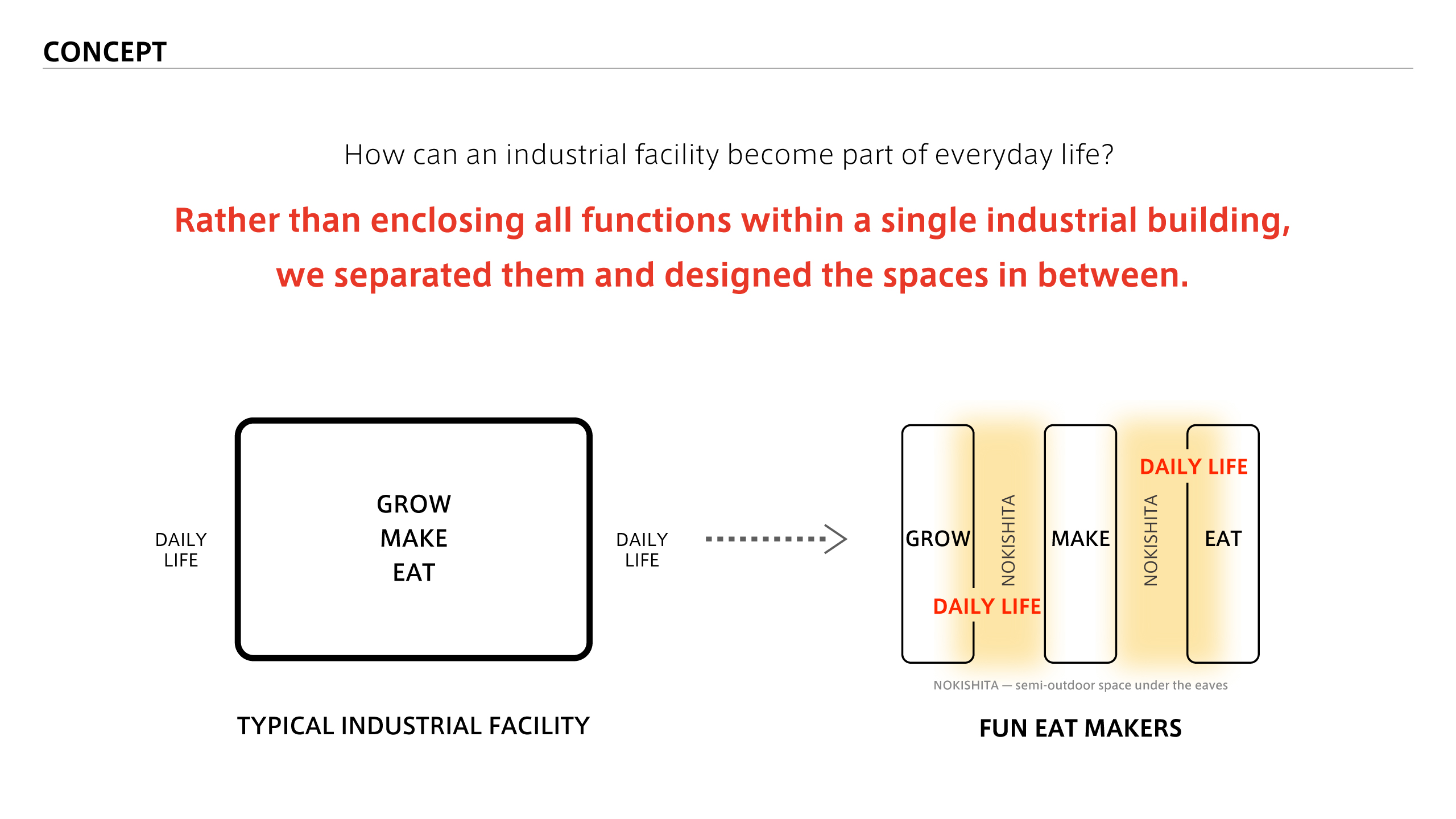
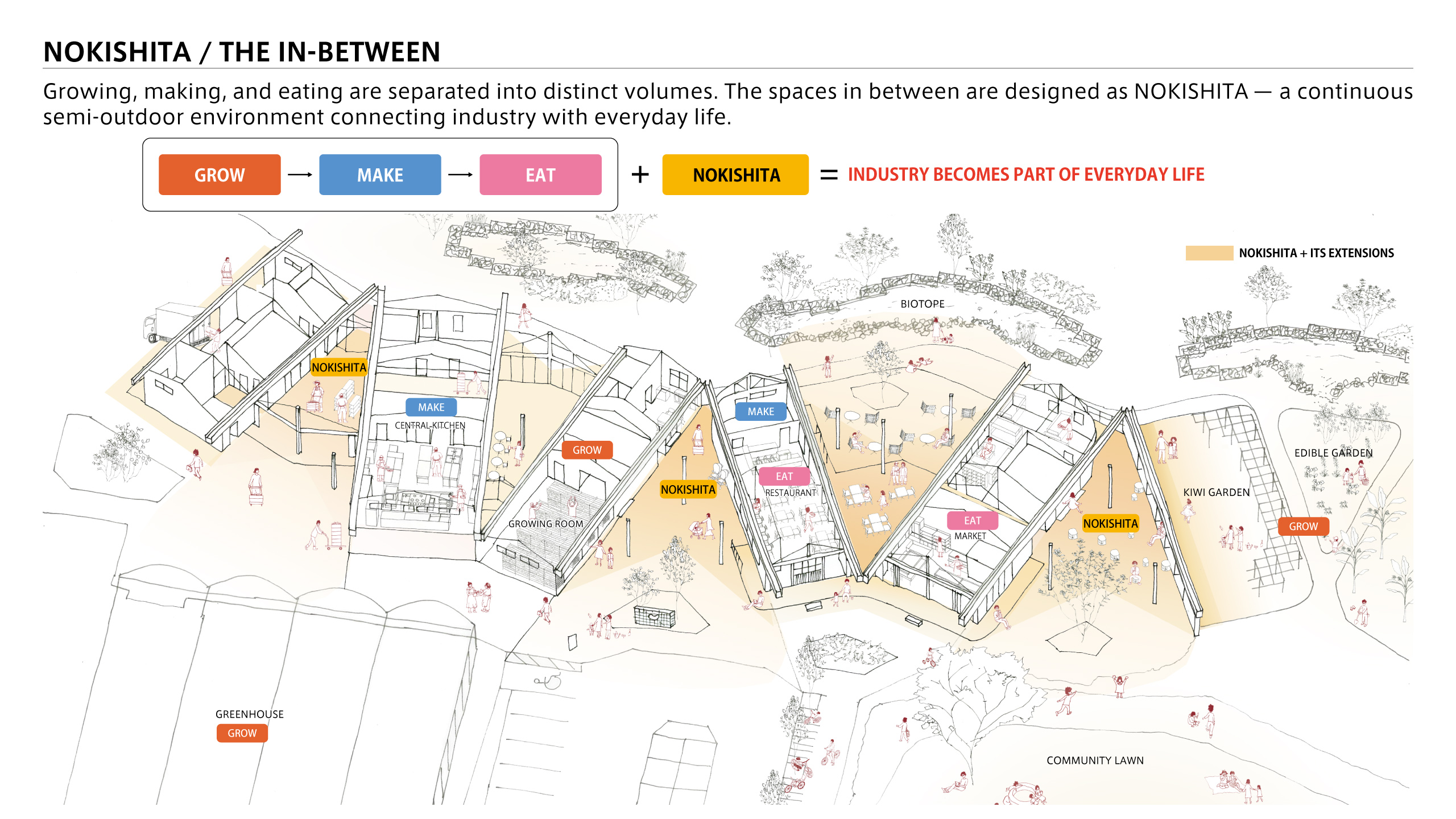
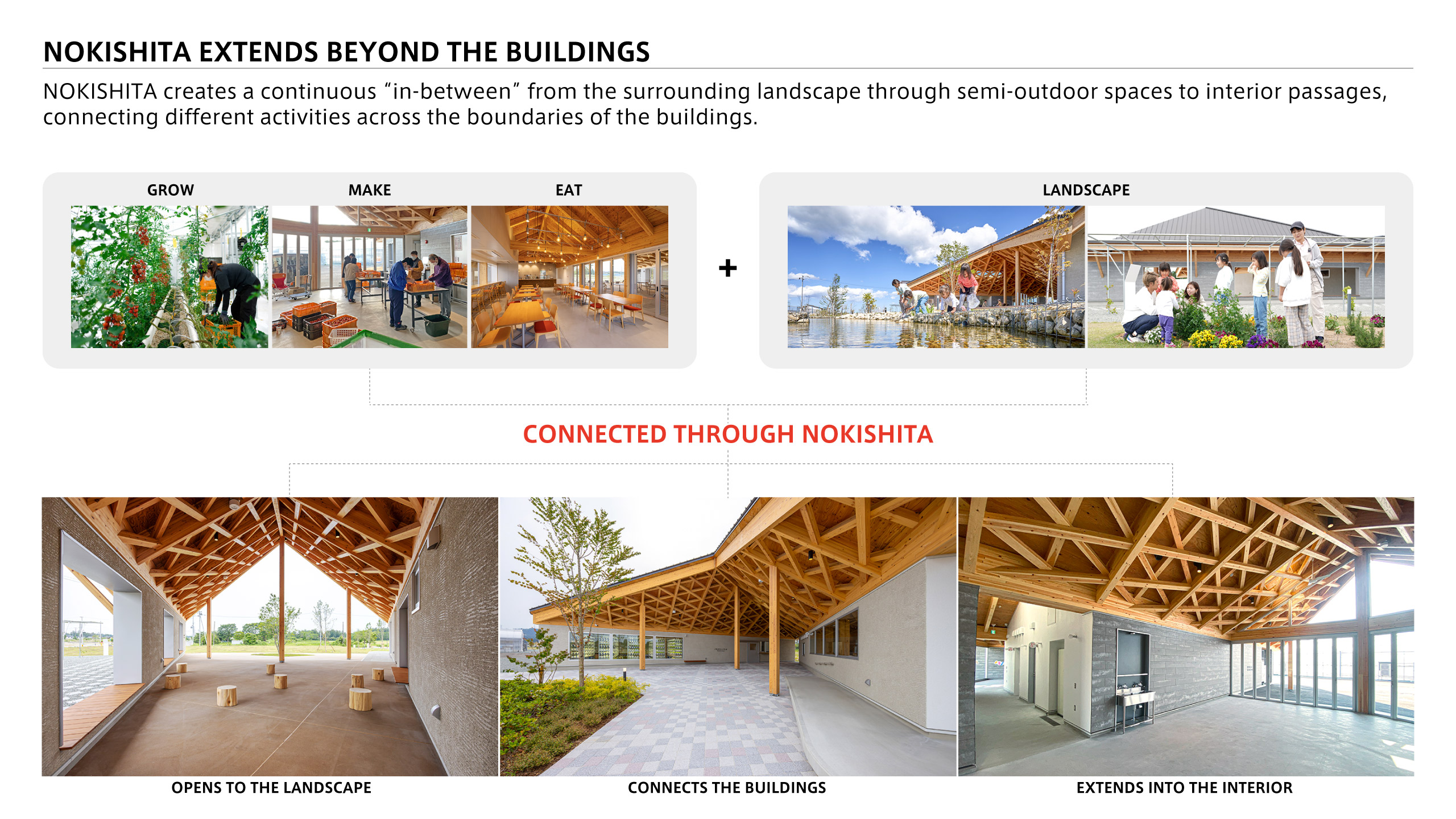
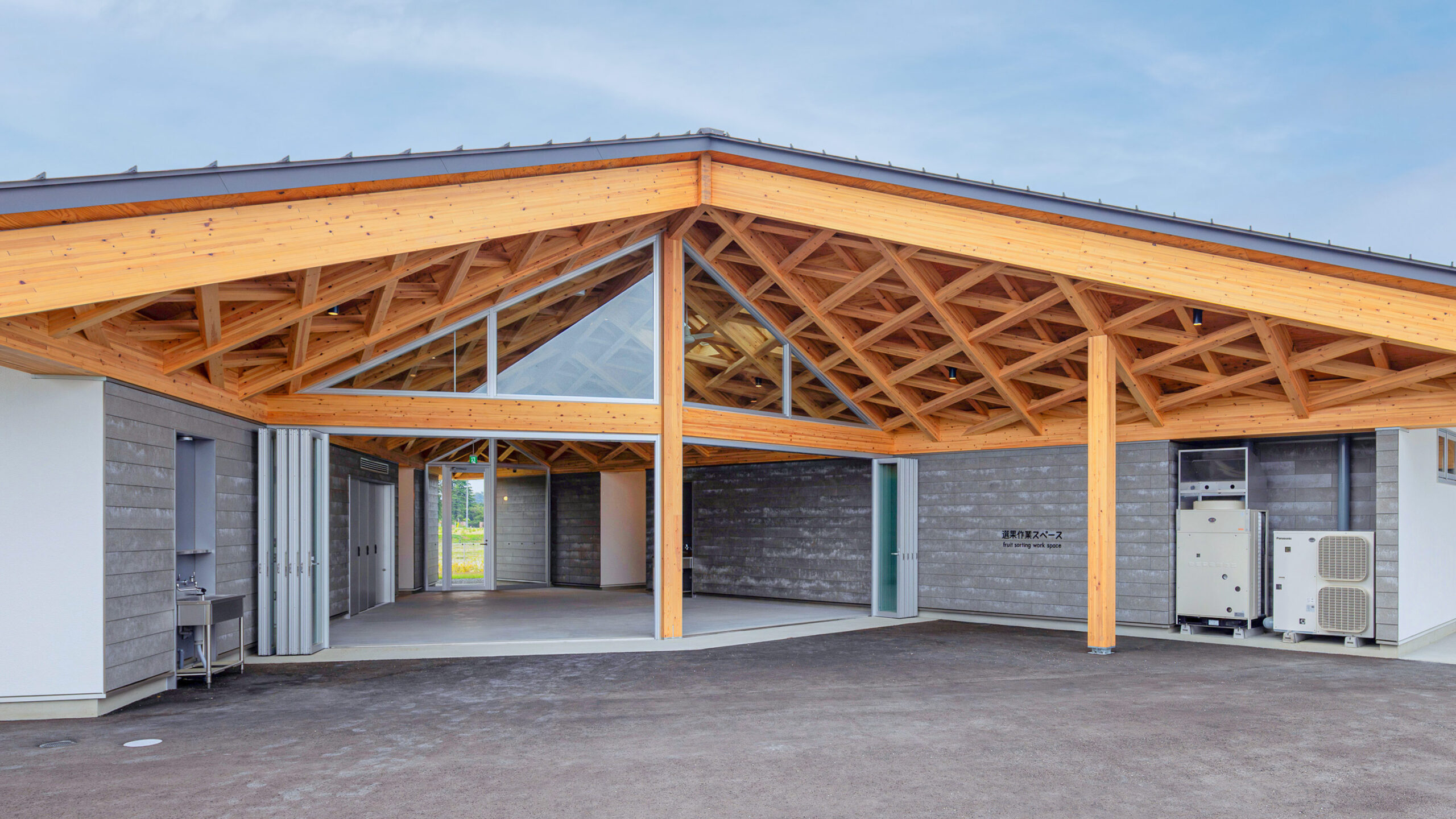
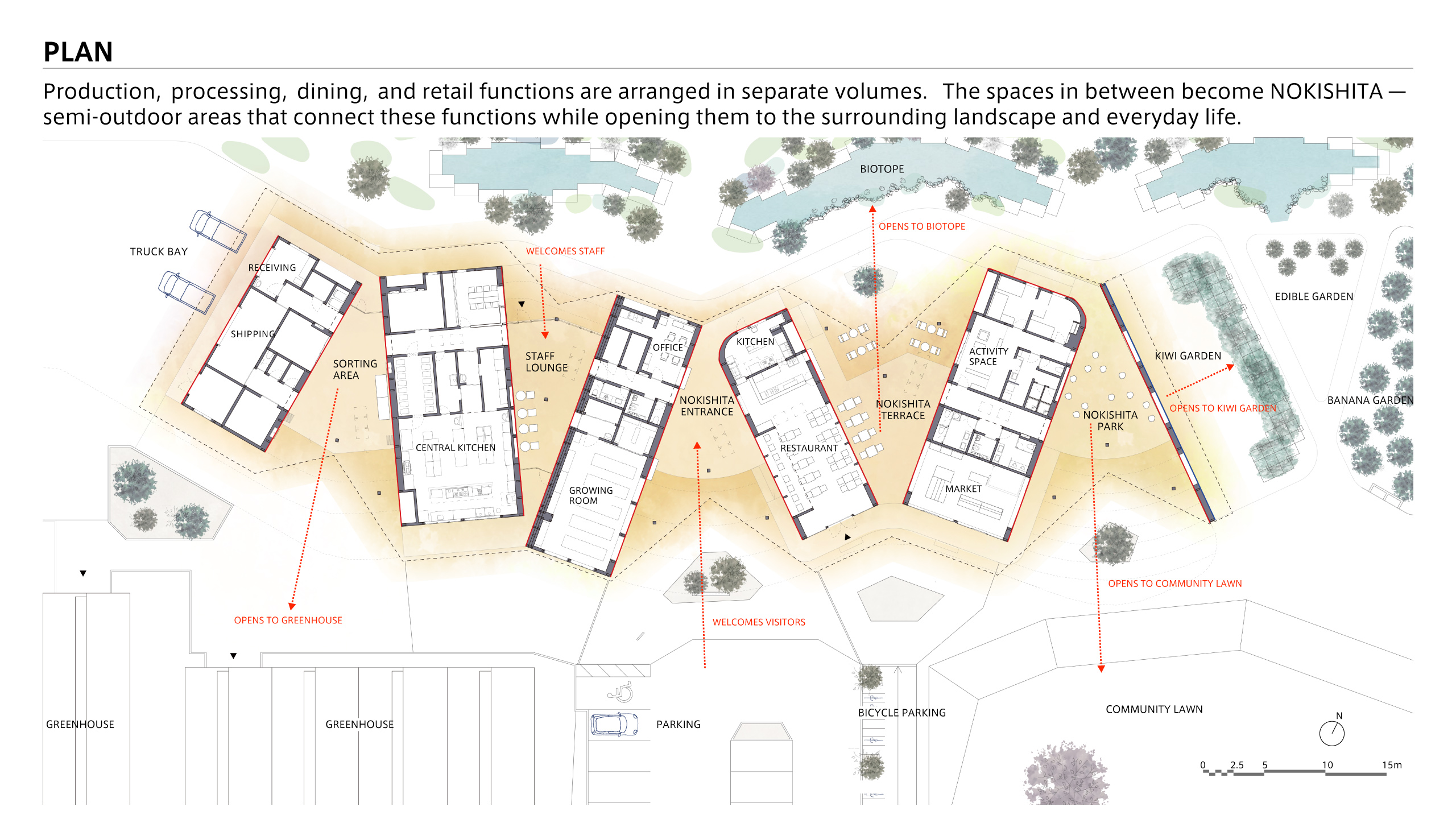
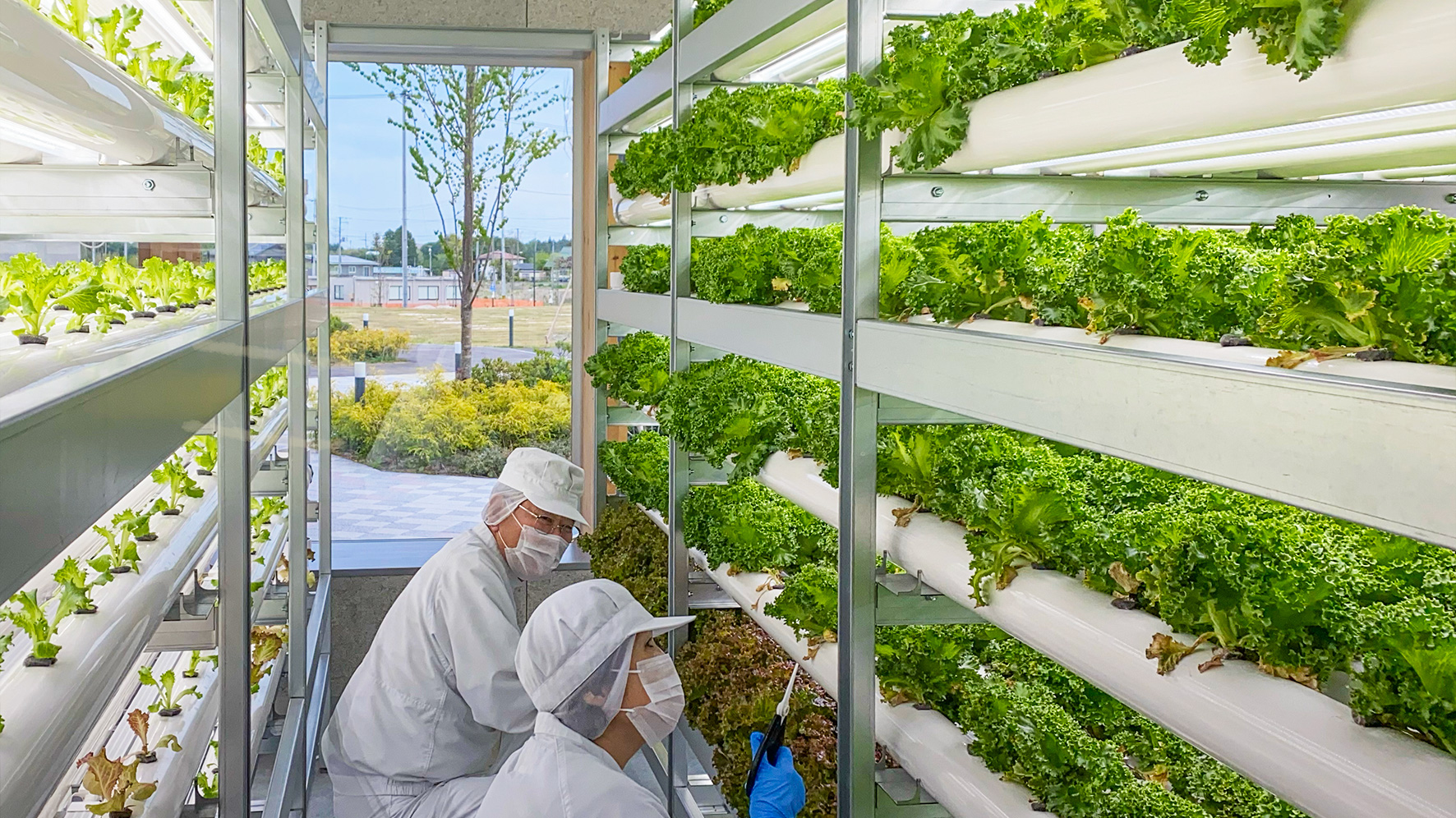
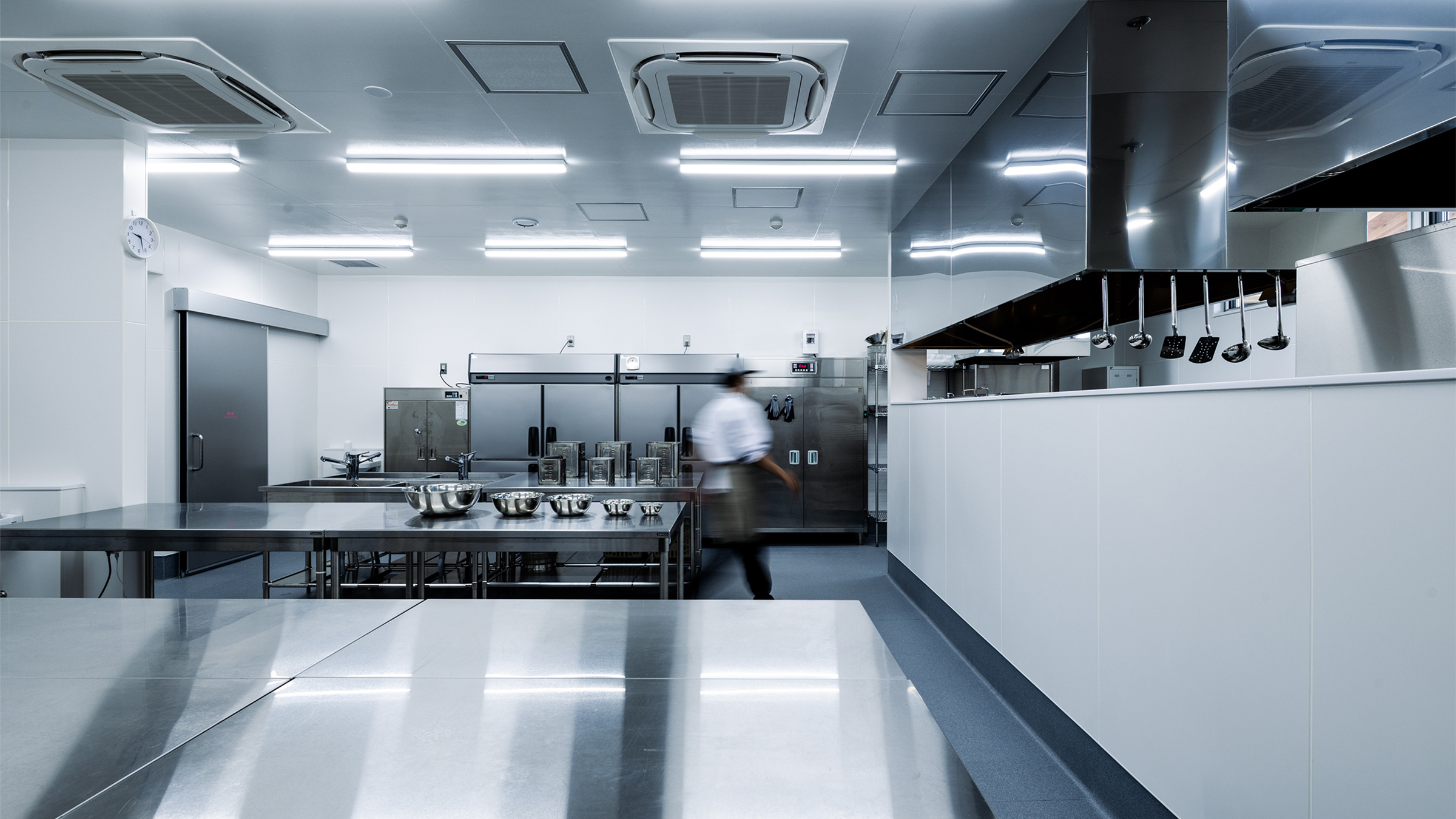
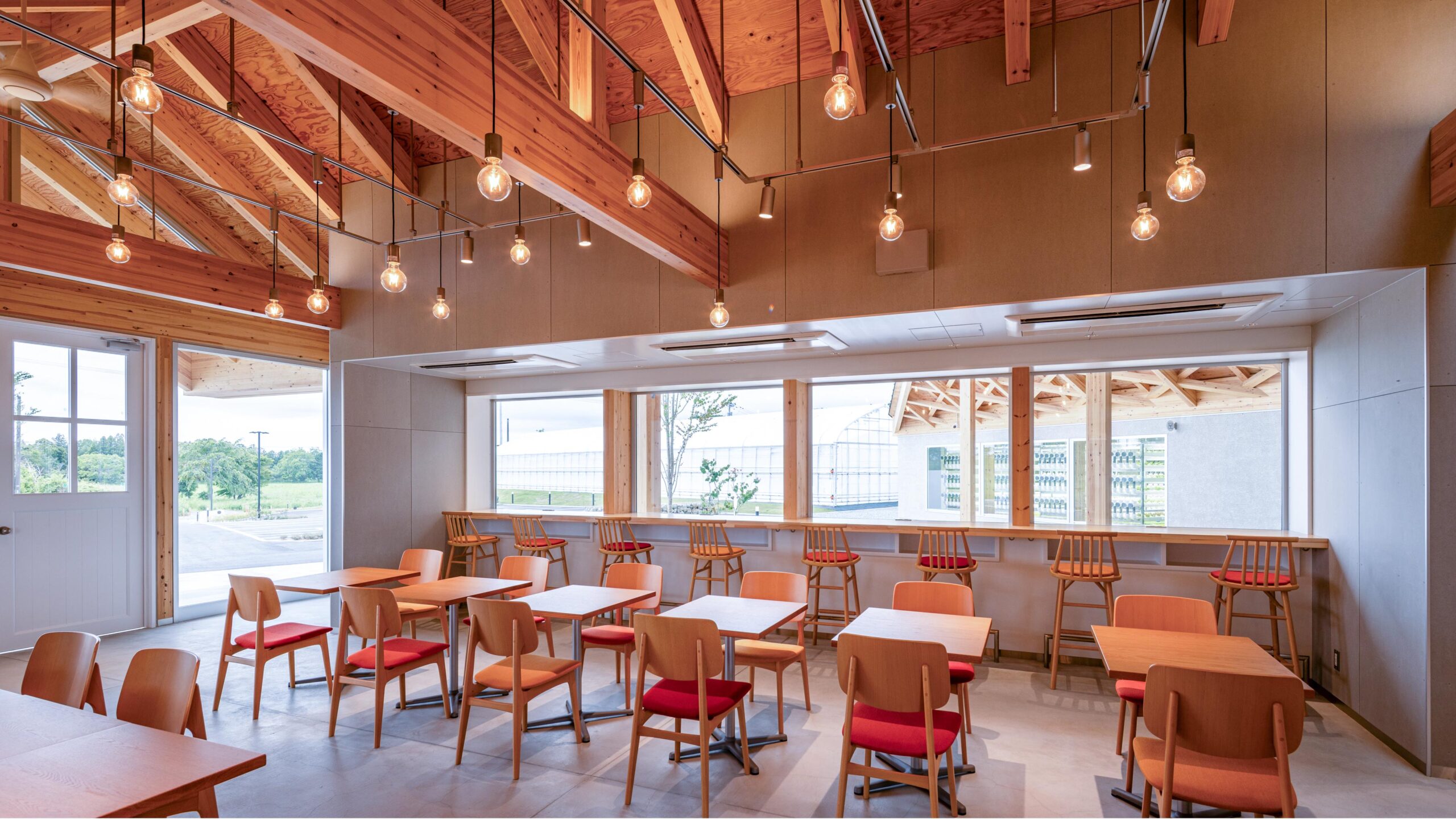
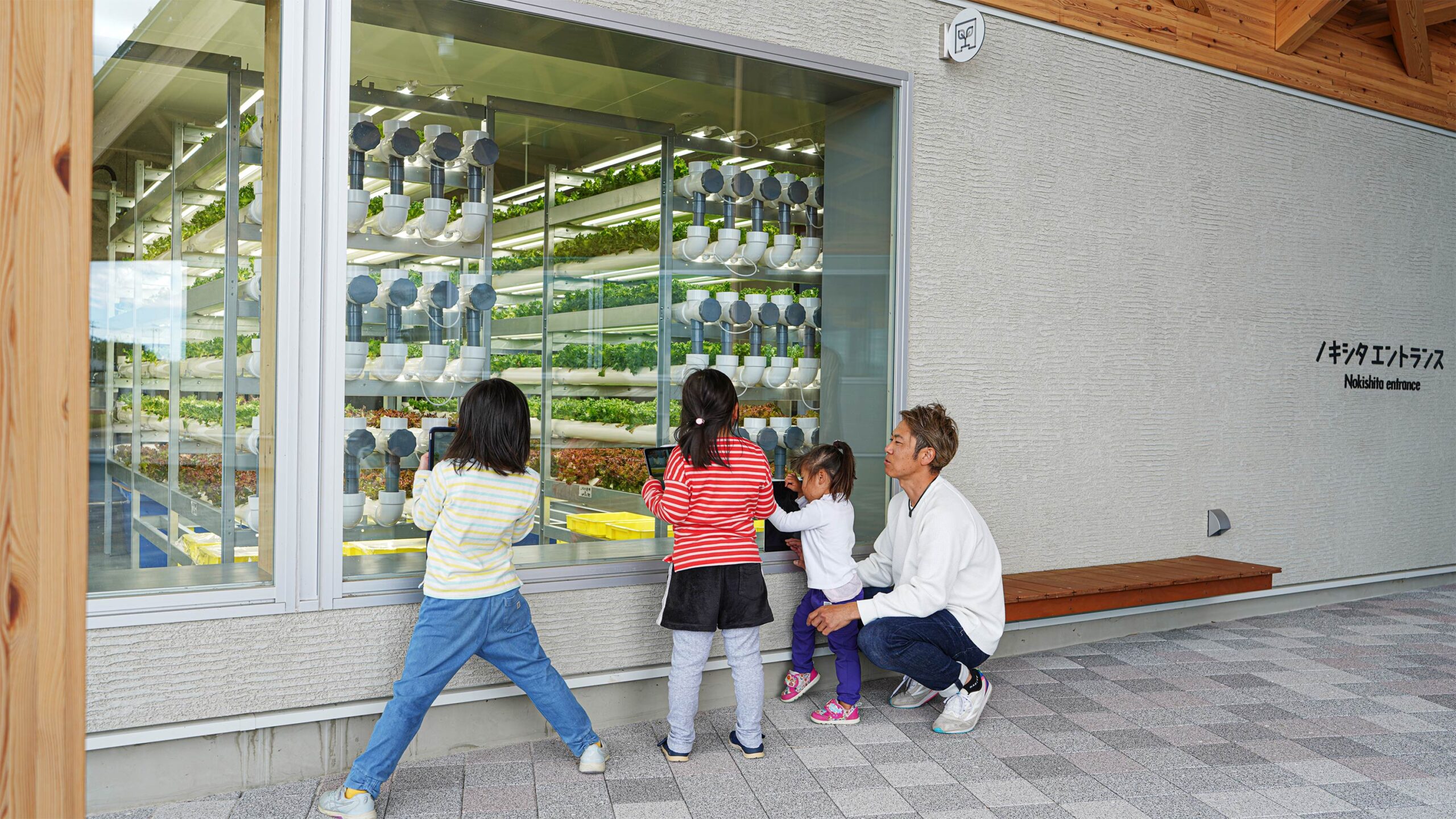
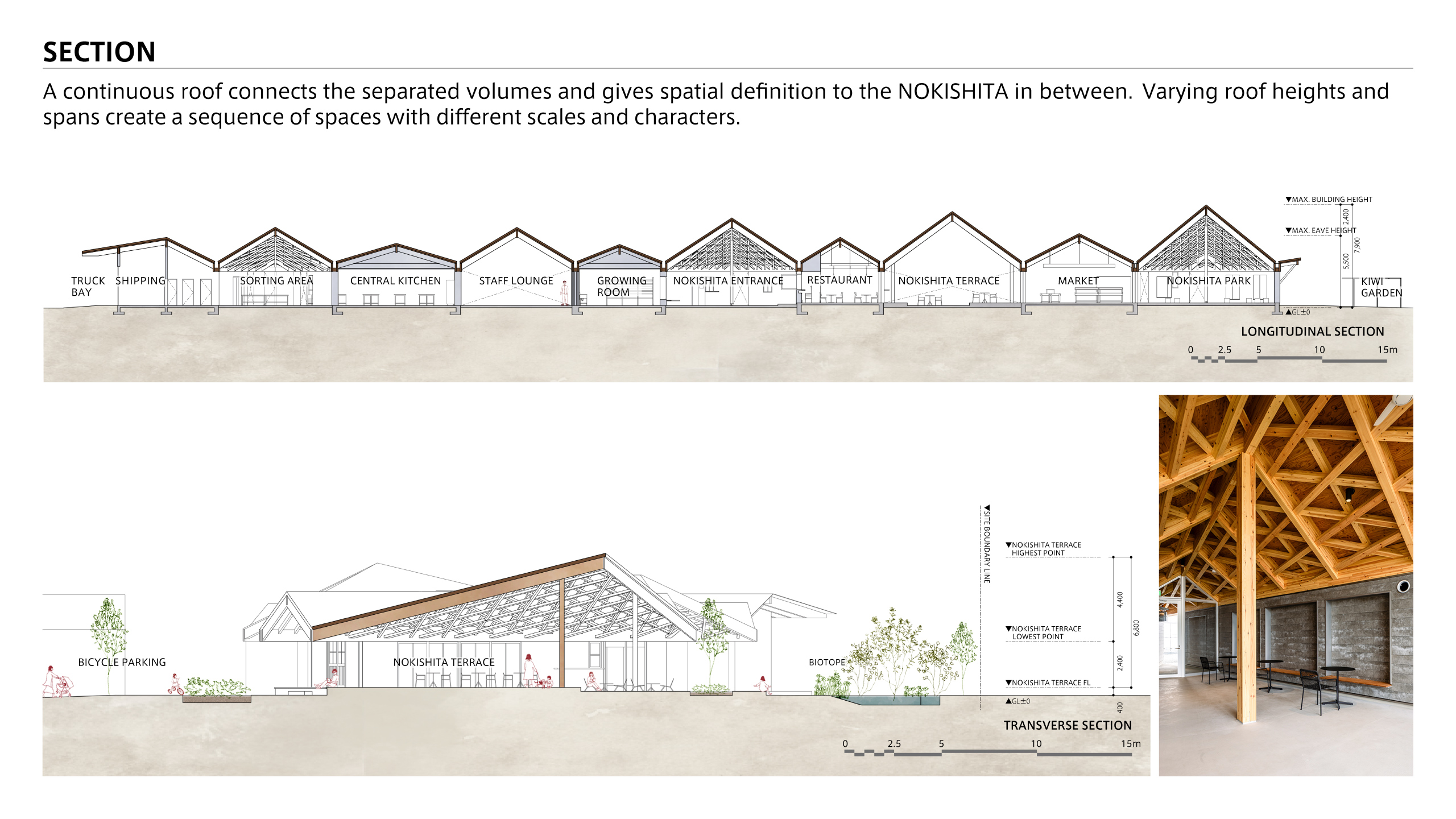
The project brings together food production, processing, dining, and retail, along with places for people to gather, within a single environment. These activities form a continuous cycle of growing, making, and eating. Rather than enclosing them in one large industrial building, they are separated into a series of smaller timber volumes and connected beneath a continuous timber roof, creating spaces between them where industry and everyday life can overlap.
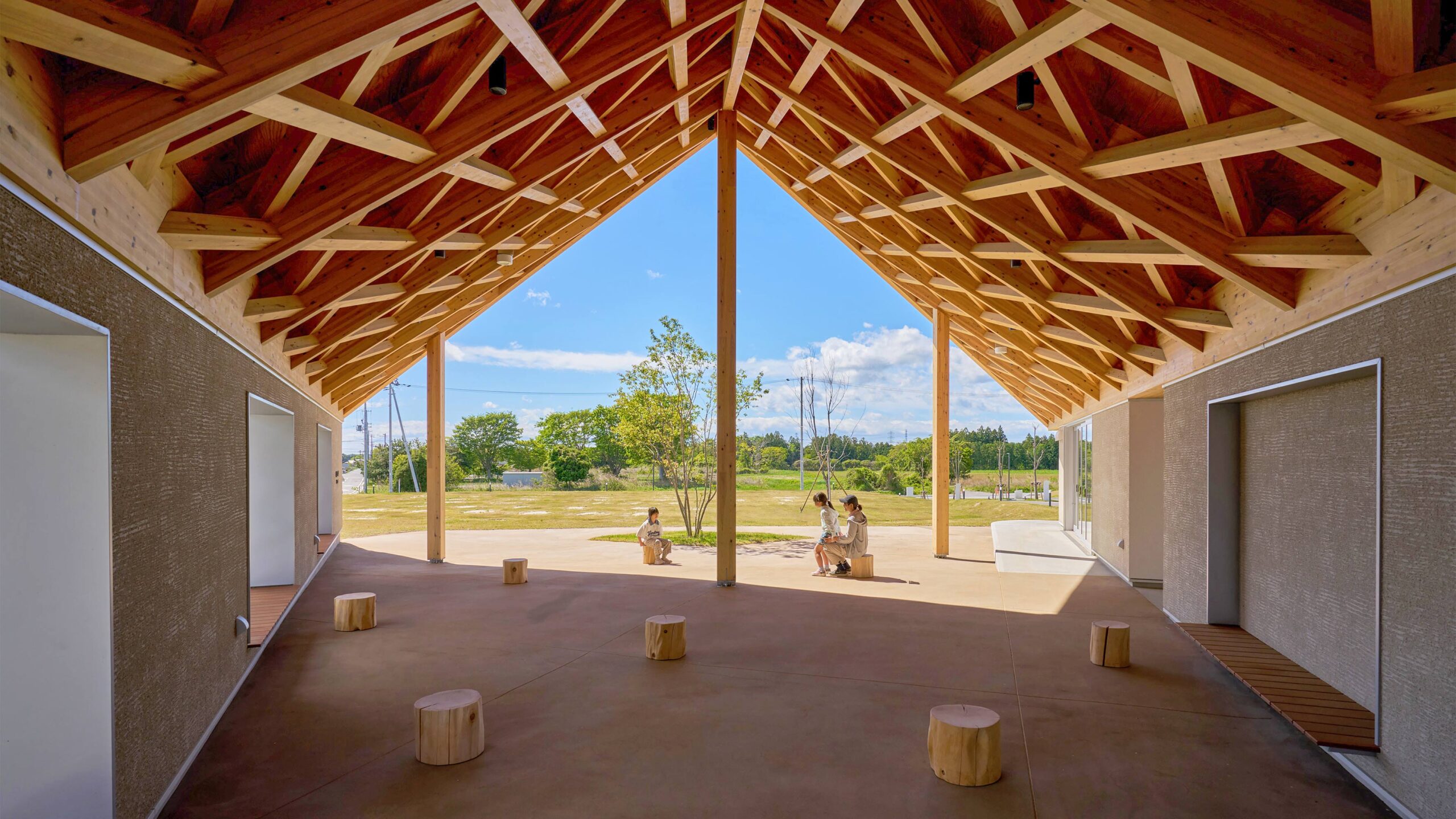
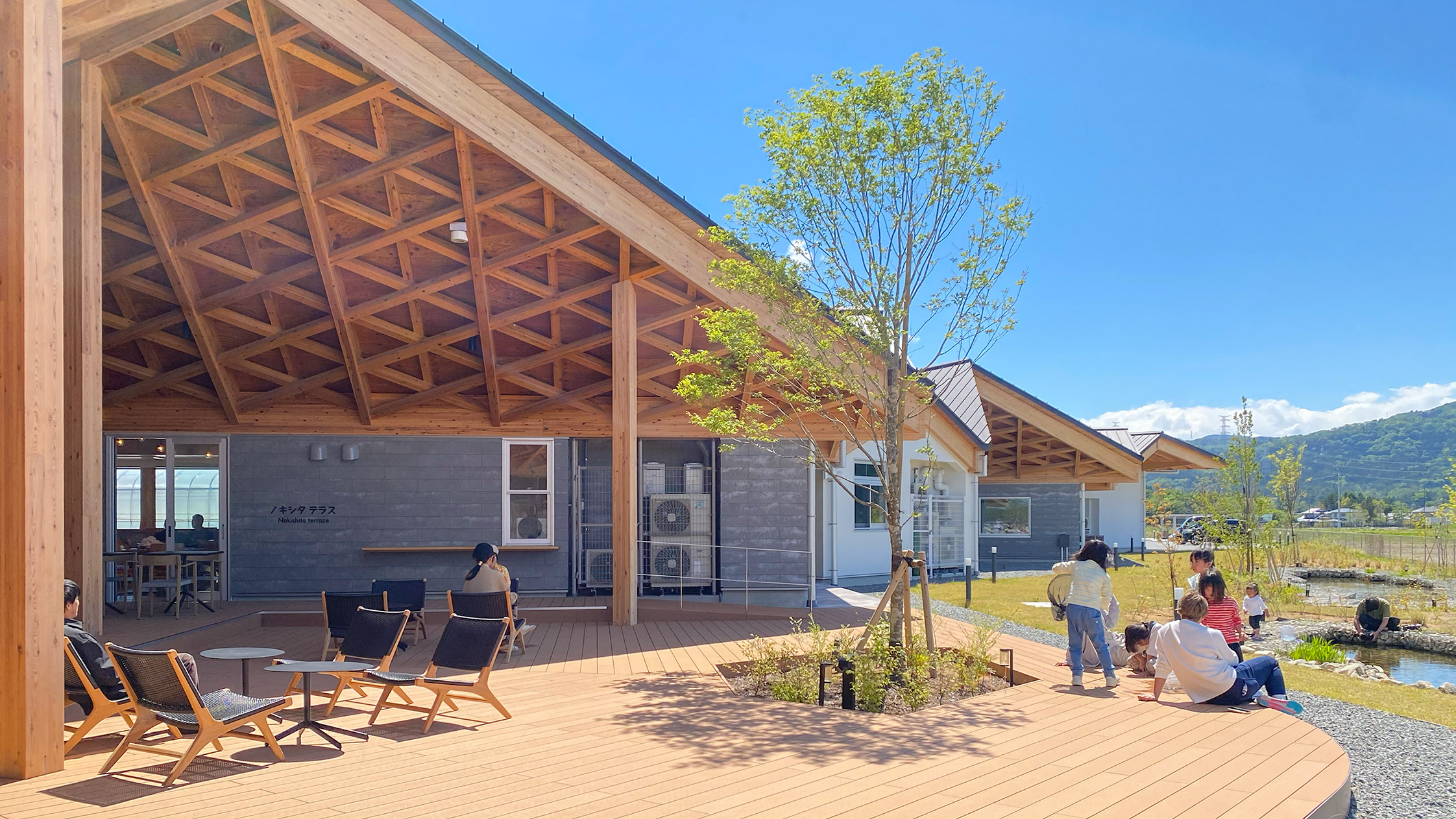
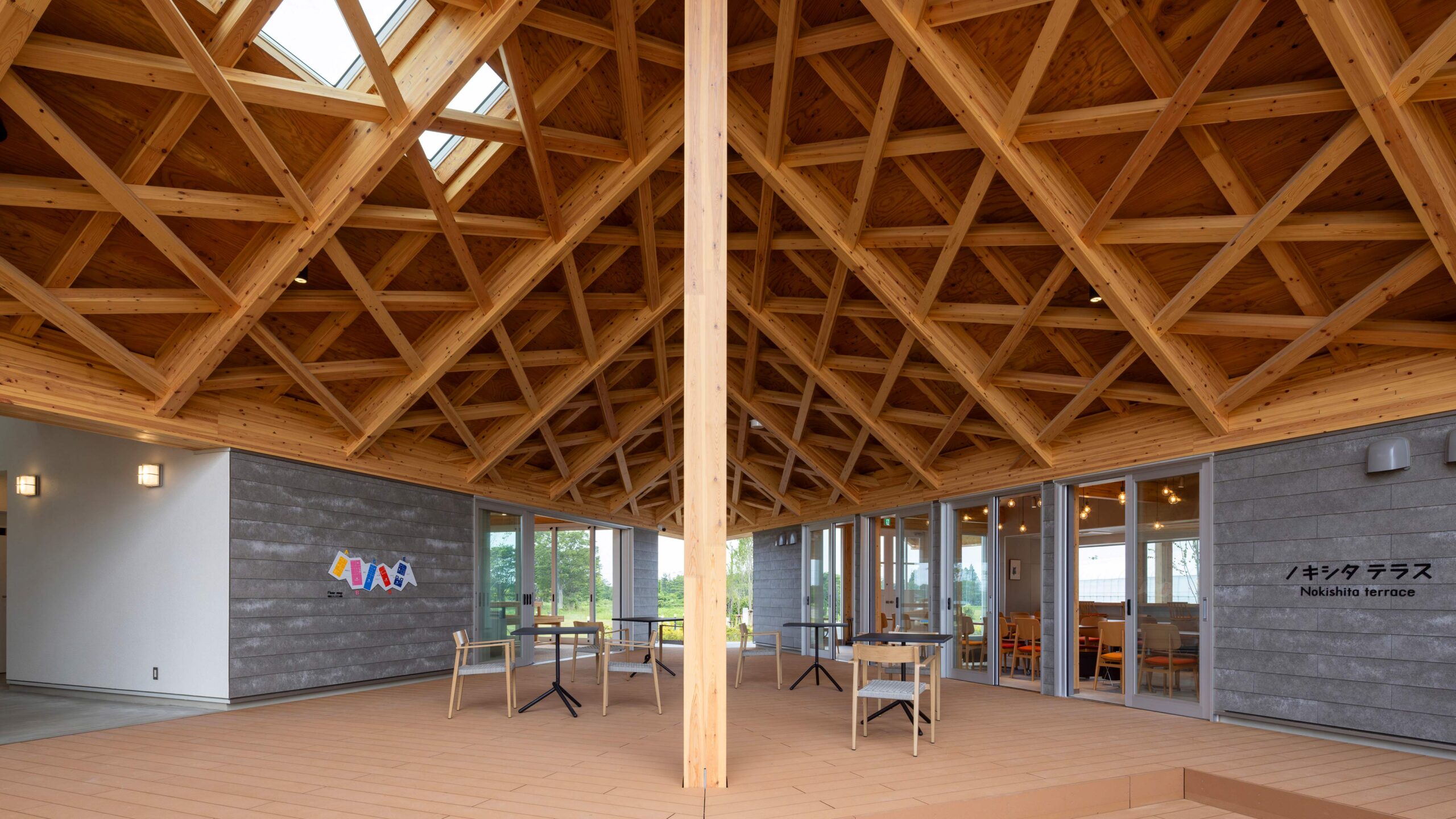
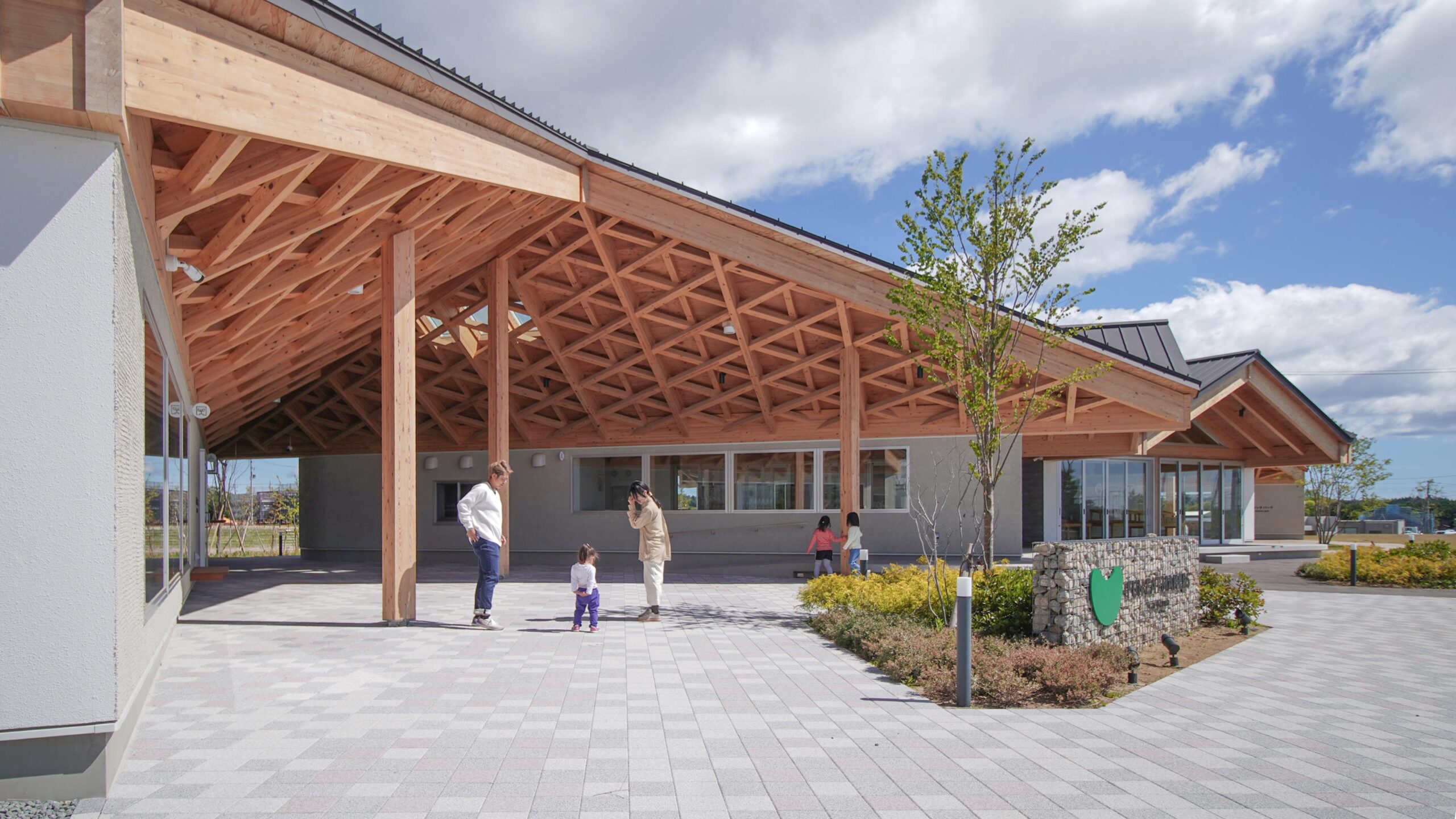
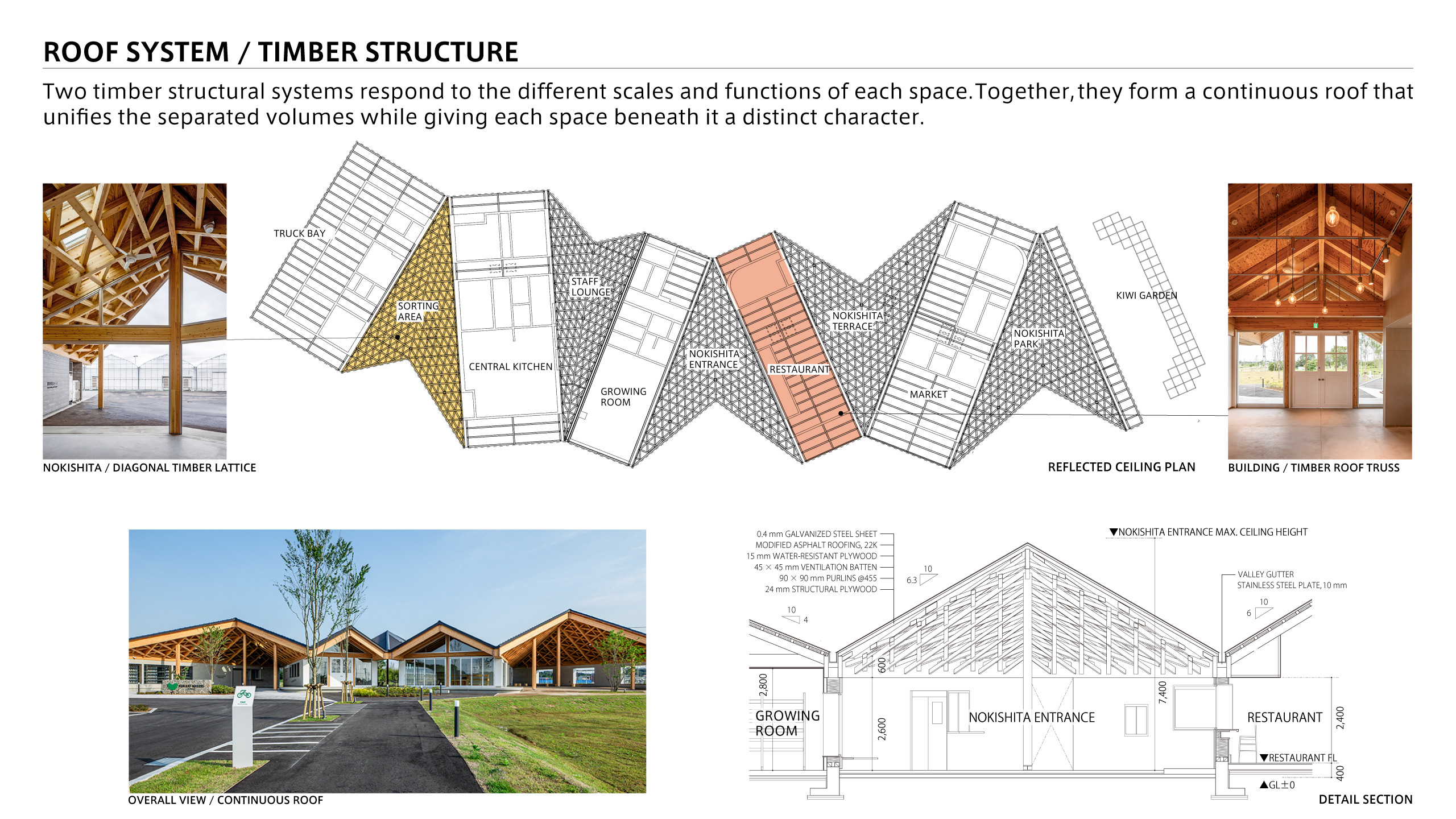
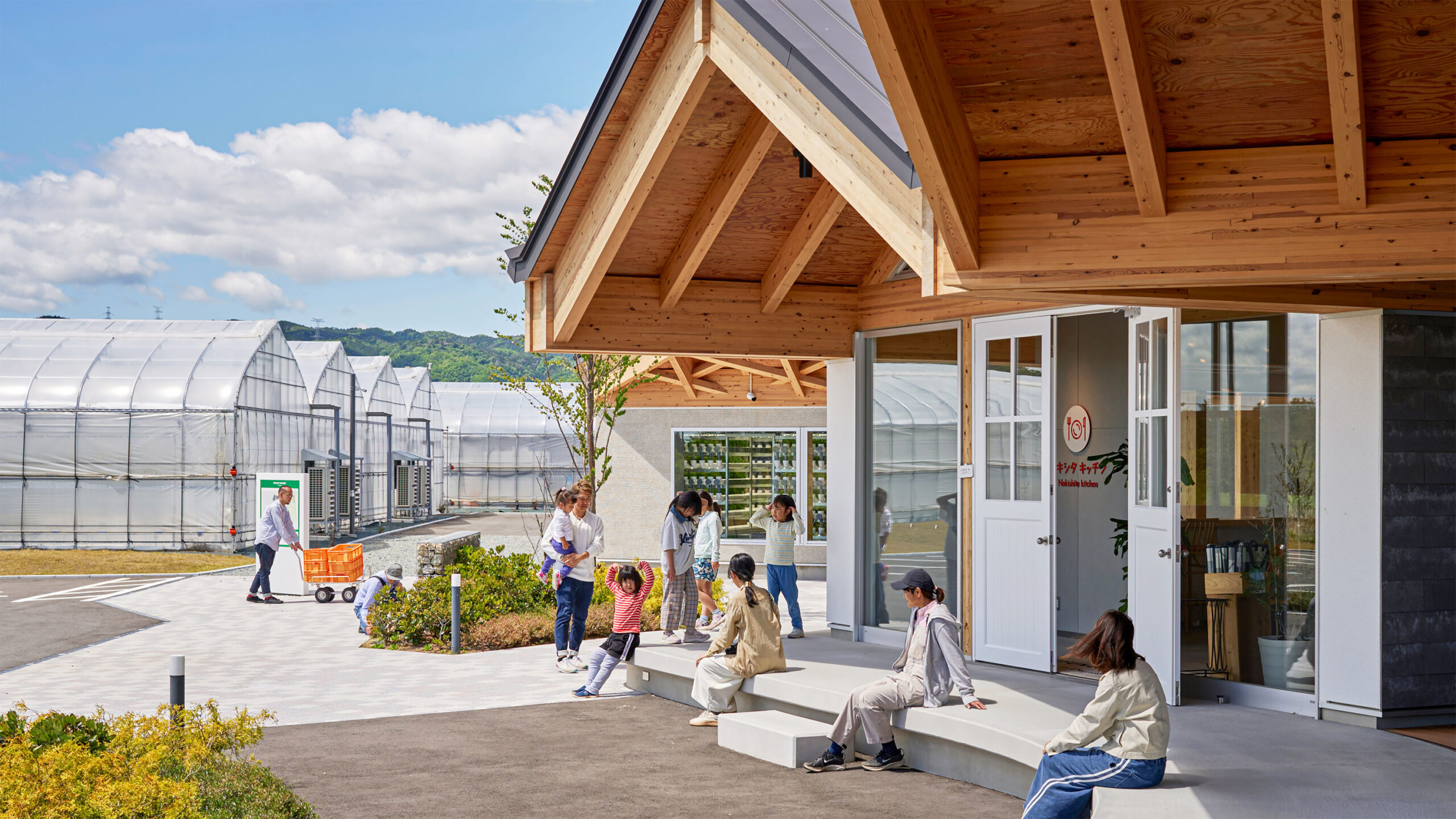
Between these volumes, the roof creates an intermediate space called “Nokishita.” Derived from the semi-outdoor space traditionally found beneath the eaves of Japanese architecture, Nokishita is reinterpreted here as the connective space of an industrial facility. Varying roof heights and spans give each Nokishita a different scale and character, while two timber structural systems respond to the different functions beneath the continuous roof.
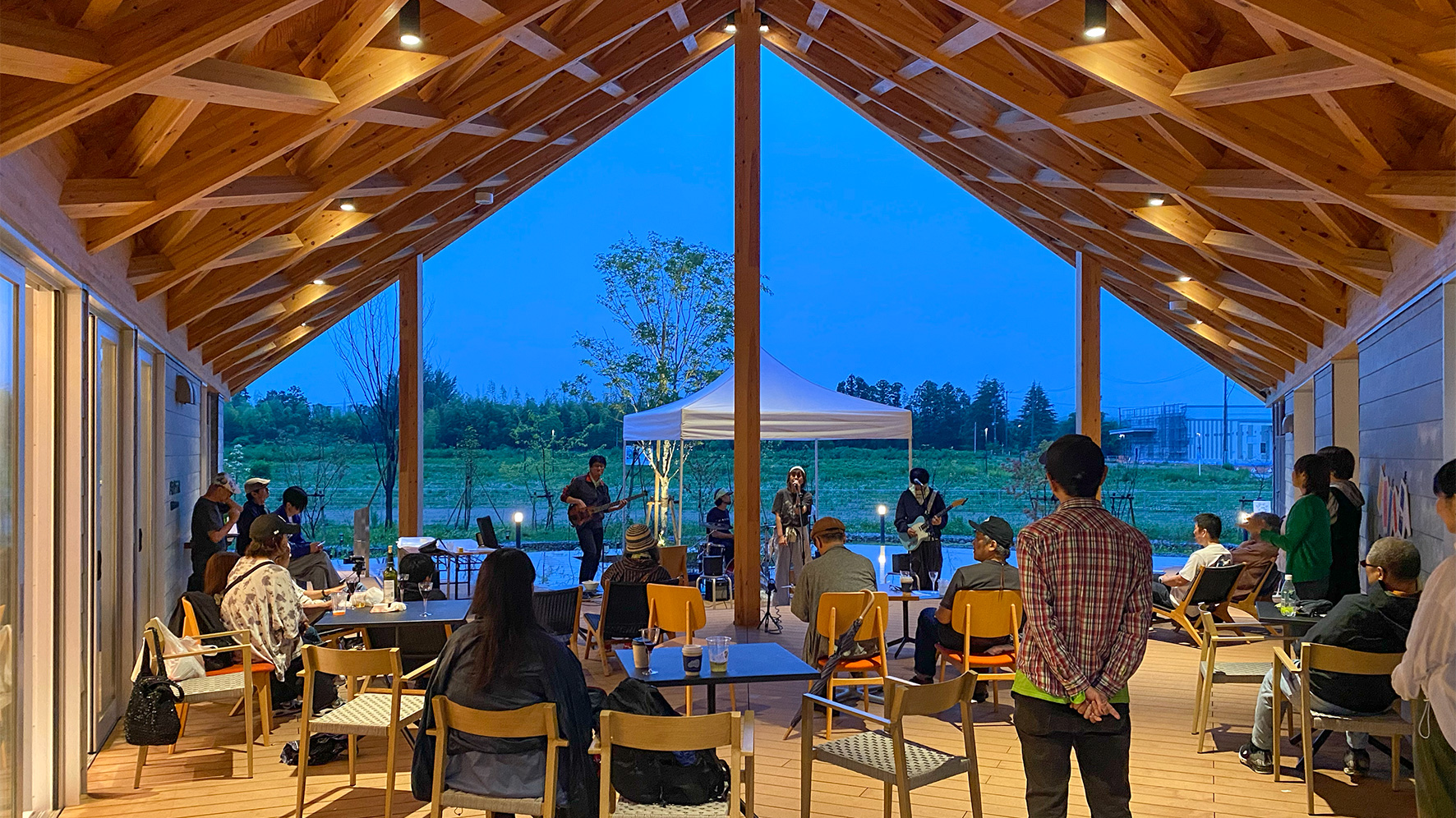
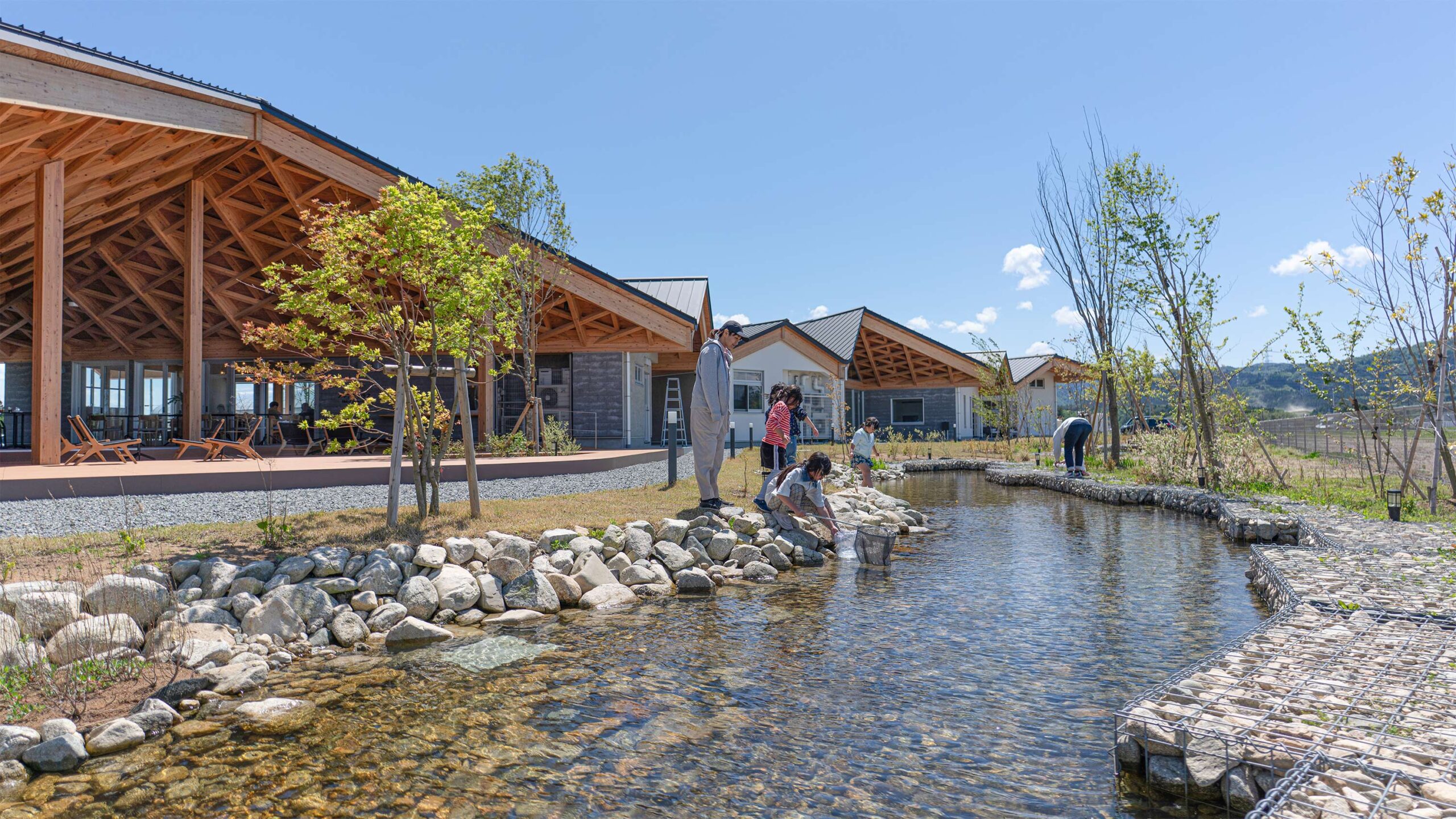
Neither completely inside nor outside, Nokishita connects production spaces with terraces, gardens, a biotope, and the surrounding landscape. Within this shared environment, activities such as growing, making, eating, shopping, working, and gathering become visible to one another and begin to overlap. Production, which is typically enclosed and hidden from everyday life, becomes part of the daily experience of the place.
Through this architecture, the project creates a new relationship between industry and everyday life. Rather than simply restoring what existed before the disaster, it provides a framework in which diverse activities, people, and the surrounding landscape can coexist, allowing a new everyday life to gradually take root in Okuma.