
Christian Gospel Church
Design by: Zheng Guoyong
Category: People
From: China
Date of Recognition: 20 November 2025
Interior Design Description of Qianku Church
1、 Design Core Concept
Taking “the spiritual field woven by holy light” as the core concept, based on the contemporary design context, reinterpreting the spiritual connotation of “love and light” in Christianity. Aiming to create a warm place that not only continues the sacred atmosphere of religion, but also allows believers to resonate deeply and receive spiritual comfort. At the same time, the design focuses on responding to the spiritual and cultural needs of the local community, making the church a peaceful carrier connecting faith and daily life.
2、 Space order: a balance between sacredness and inclusiveness
(1) The sense of ceremony and functionality in layout
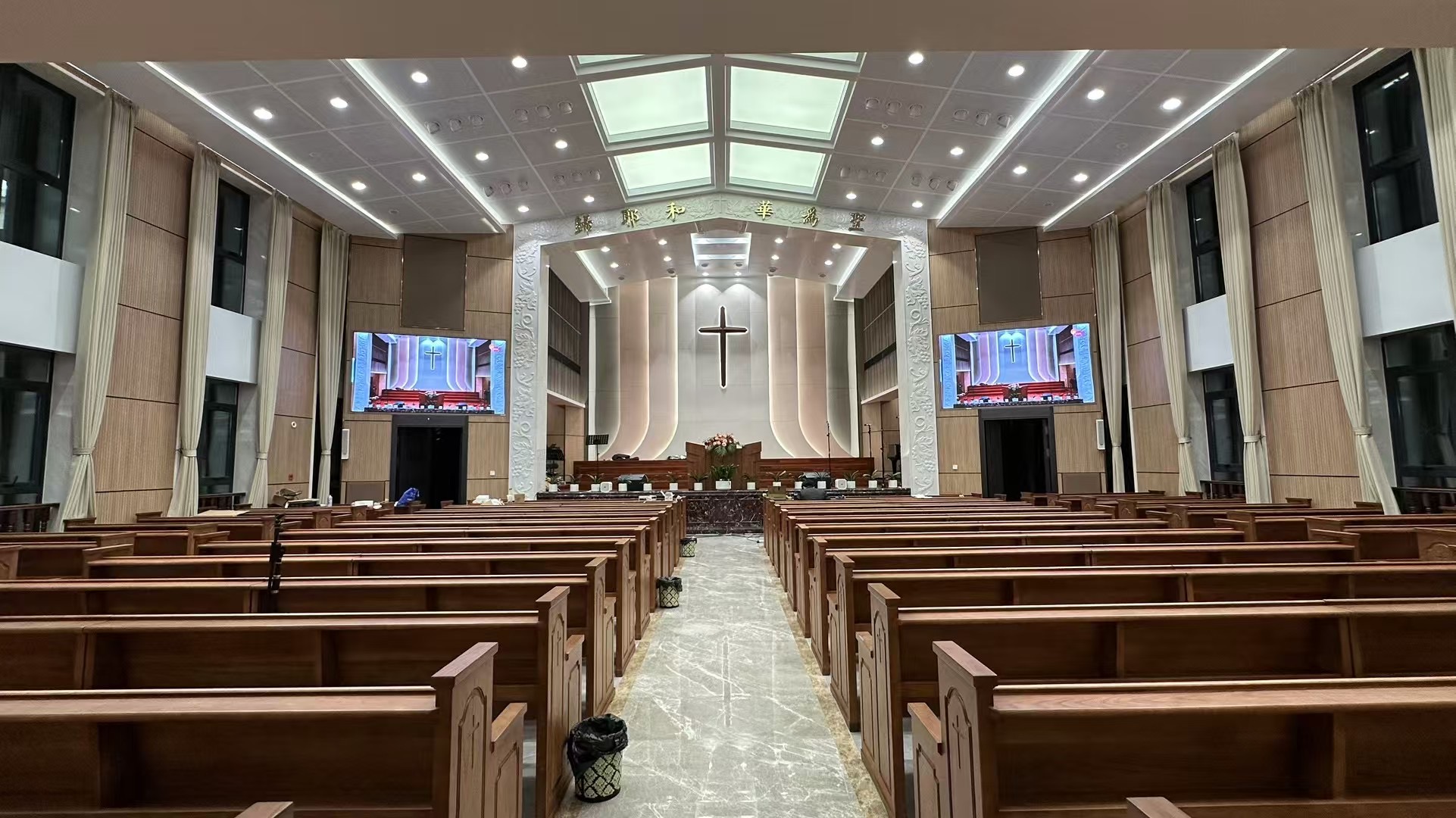
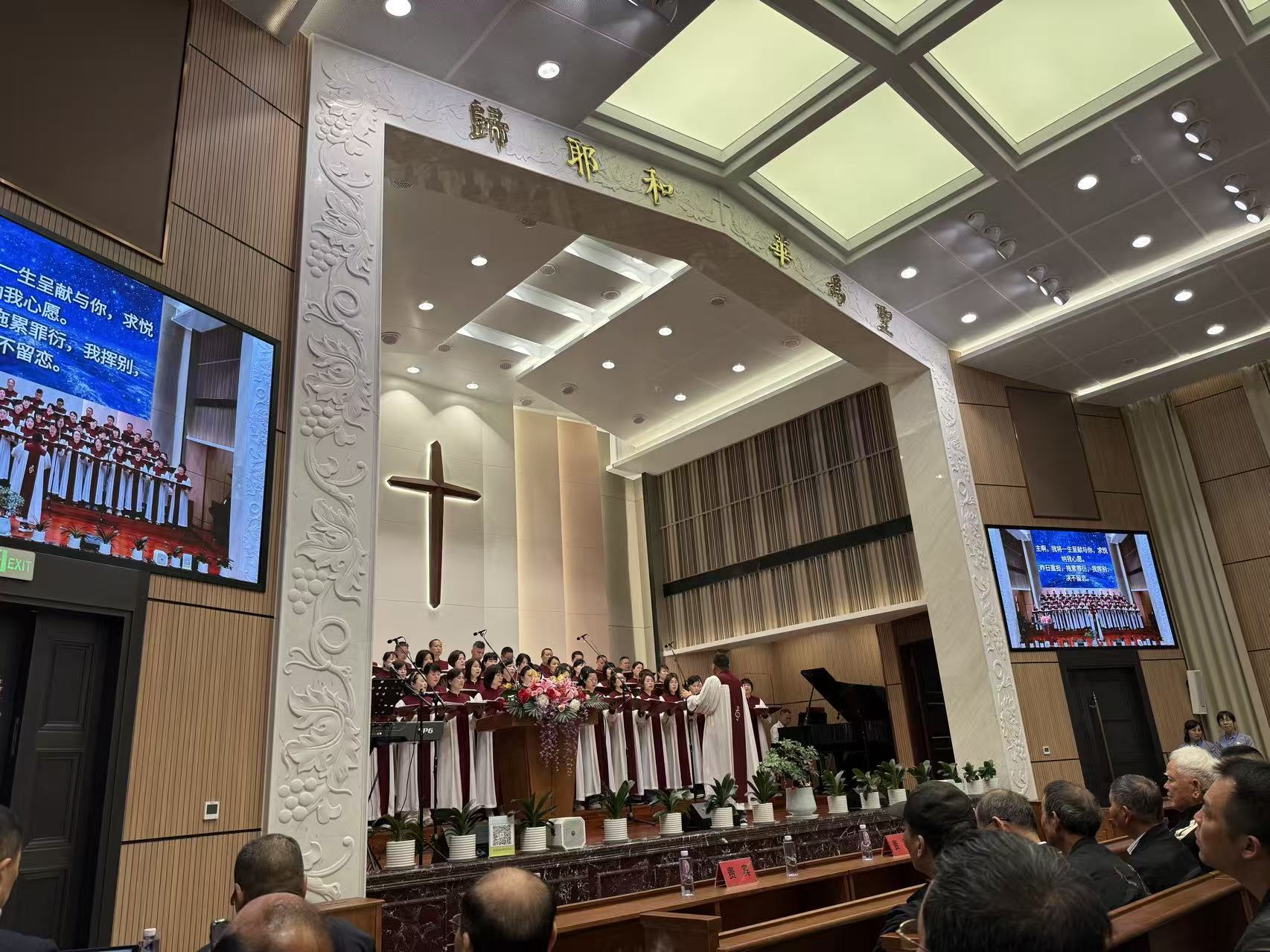
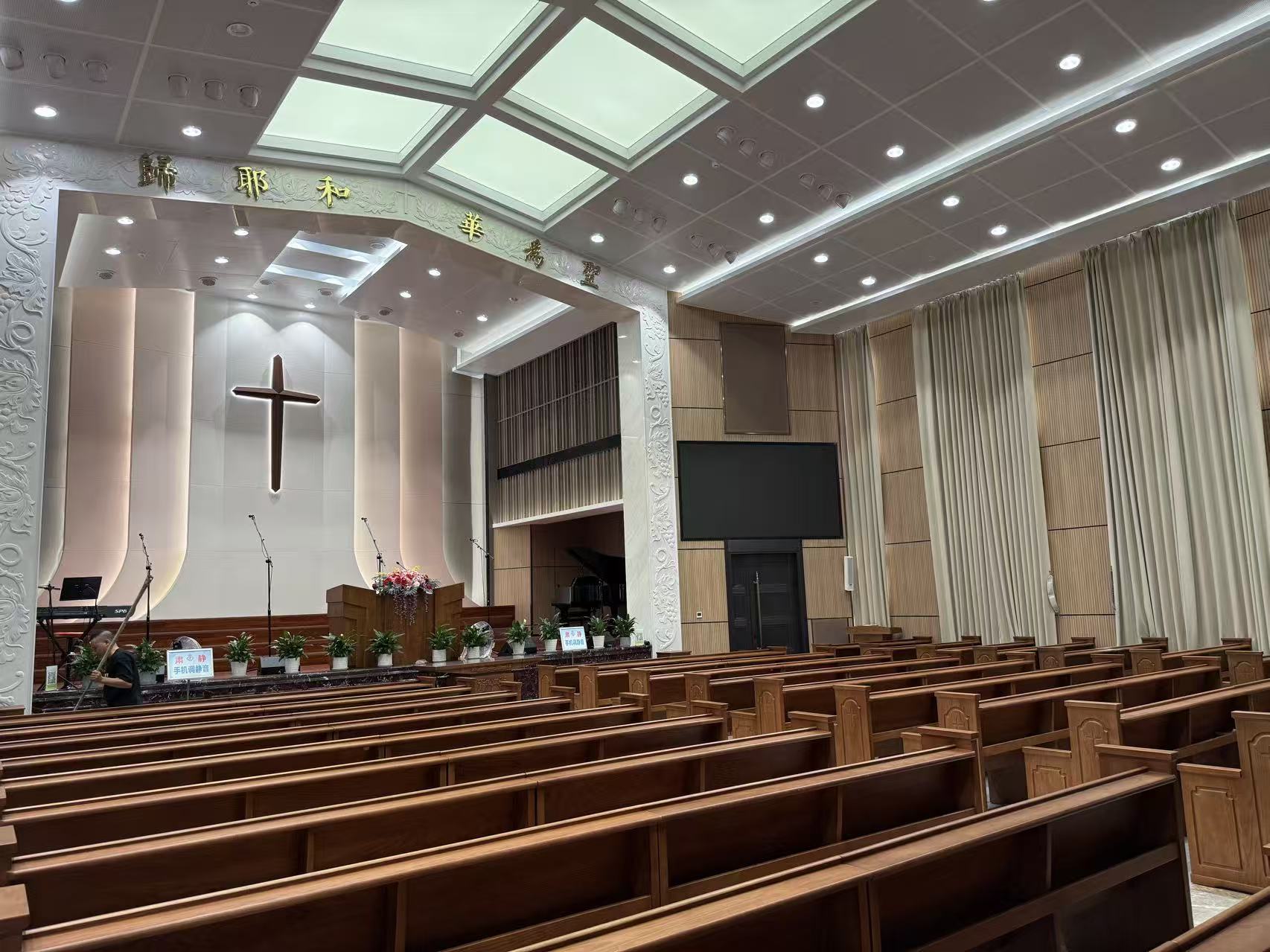
The church adopts a symmetrical core layout, and the central chapel accommodates collective ceremonies with a grand and open volume, enhancing the solemn atmosphere of religious activities. The vertical direction lifts the spatial sensation through a “linearly extending ceiling” or a “simplified arch structure”, creating an “upward tension” that symbolizes the spiritual dialogue between humans and the divine. On both sides, auxiliary functional areas such as confession rooms and community activity rooms are embedded, and delicate techniques such as semi transparent partitions and material transitions are used to maintain the purity of the main hall while endowing the space with more community interaction and humanistic care functions.
(2) Light and Shadow: Flowing ‘Sacred Symbols’
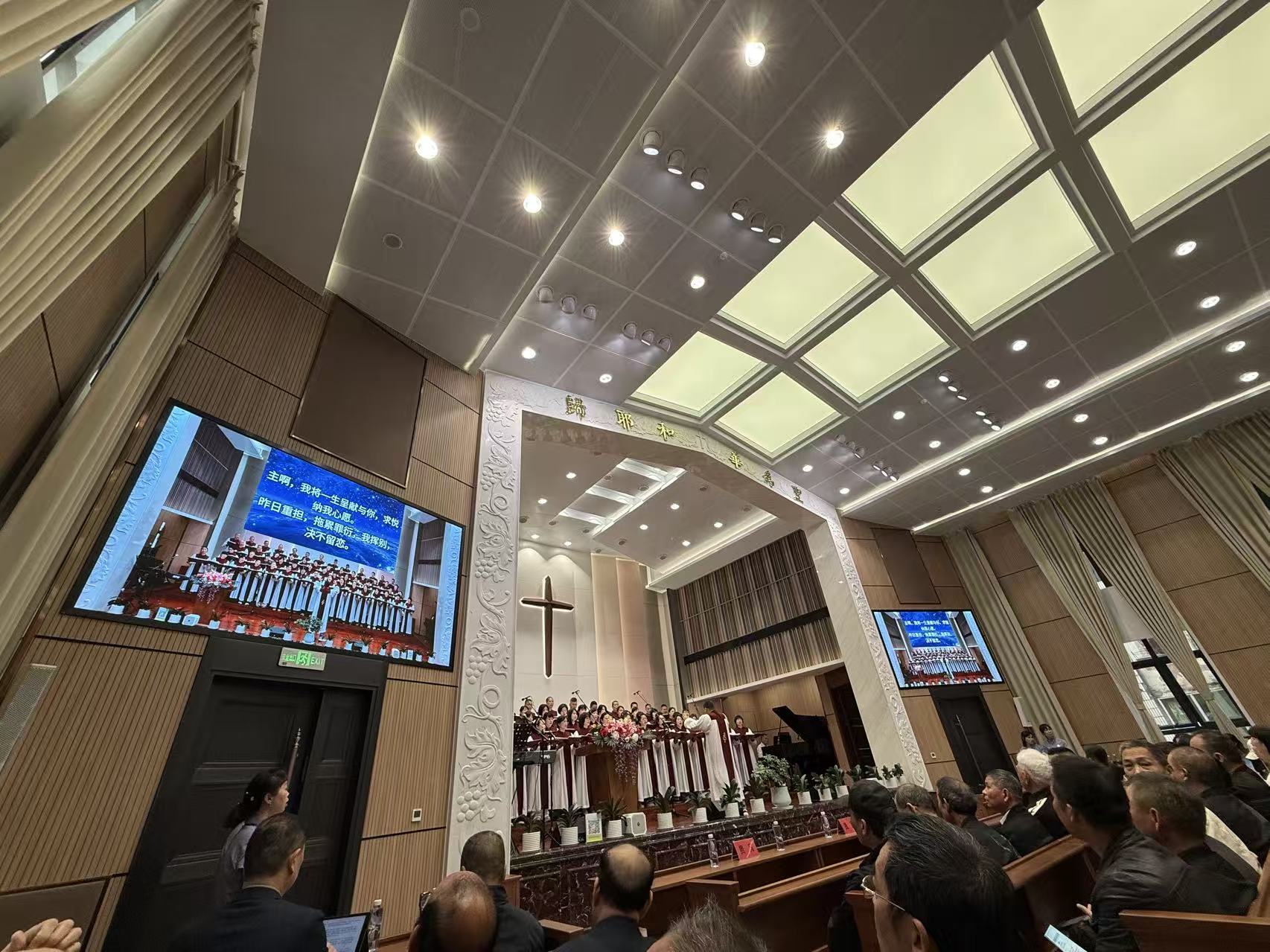
As the soul element of space, “light” introduces natural light through high side windows, skylights, and artistic glass installations, outlining the sacred atmosphere in a poetic way:
-On a sunny day, sunlight falls through the high windows and projects rhythmic light spots on the pristine walls, like the ‘writing of holy light’;
-If paired with colored glass or filter art installations, it can render colorful and soft light colors, echoing the symbolic meaning of “God is light”, creating an immersive spiritual atmosphere for worship and meditation, and making light a visual medium that connects secular and sacred.
3、 Material and Texture: Returning to the Simple Expression of Faith
The material selection emphasizes nature and simplicity, avoiding excessive decoration to maintain the focus and tranquility of the soul:
-Wood: used for seats, wall decorations, and some structures, the warm texture conveys affinity and inclusiveness, echoing the theme of “love” in religion;
-Stone: Using the treatment of local walls and floors to establish a stable and solid spatial foundation, symbolizing the eternity and steadfastness of faith;
-Plain colored wall: As the “background canvas” of the space, it highlights the changes in light and shadow and religious symbols, bringing the visual focus back to faith itself and implementing the design principle of “function serving spirit”.
4、 Religious Symbols: Modern Translation of Traditional Core
Translate the design of religious symbols such as the cross into a simple yet contemporary style:
-Adopting the composite process of “metal+wood”, it retains the temperature of the wood while endowing it with a modern temperament through the precise form of the metal;
-Through the use of light and shadow techniques, cross shaped outlines are projected through components at specific times, allowing religious imagery to blend into space in an abstract and natural way, balancing the continuation of traditional spirit with the development of modern aesthetics, and evoking emotional resonance among believers of different generations.
5、 The Extended Value of Space: From “Ritual Container” to “Spiritual Home”
Design a fundamental function that goes beyond religious rituals and emphasizes its role as a spiritual anchor for the community
-Set up a warm communication and relaxation area, create a friendly atmosphere with soft furniture and warm lighting, and promote interaction and support among believers;
-Plan a parent-child worship corner, using furniture suitable for children’s scale and religious imagery full of childlike charm, so that children can also feel the warmth of faith, making the church a spiritual home that transcends age, rather than just a place for ceremonies.
- Summary
The interior design of Qianku Church takes “light” as the spiritual medium, relies on “simple materials” as the foundation, and uses “modernist religious symbols” as the design language, committed to building a bridge between the sacredness of traditional churches and the spiritual needs of modern people. Ultimately, we aim to create a place where people can contemplate calmly and engage in sincere dialogue with their faith – it is not only the material embodiment of religious spirit, but also the spiritual home for the Qianku community to gather emotions and settle their hearts.
About Zheng Guoyong
About
